

How to Brush Dog Teeth Naturally for Healthy Smiles
Most American dog owners in colder climates know their dogs need more than just a warm coat when winter arrives. Along with stylish, durable outerwear, dental care is essential for keeping pets healthy all year. Close to 80 percent of dogs in North America show signs of dental disease by age three, making routine brushing just as important as a quality jacket. Discover practical tips to help your four-legged friend stay happy, healthy, and fashionable—even in the coldest seasons.
Table of Contents
- Step 1: Gather the Right Dental Supplies
- Step 2: Introduce Your Dog to Toothbrushing
- Step 3: Apply Dog Toothpaste and Position Properly
- Step 4: Brush Gently Using the Correct Technique
- Step 5: Reward Your Dog and Check Teeth Cleanliness
Quick Summary
| Key Insight | Explanation |
|---|---|
| 1. Use Dog-Specific Dental Tools | Select a dog toothbrush and toothpaste made specifically for canine dental care to ensure safety and effectiveness. |
| 2. Introduce Brushing Gradually | Start by familiarizing your dog with the toothpaste and gradually introduce brushing to build comfort and reduce anxiety. |
| 3. Focus on Proper Brushing Technique | Brush gently in circular motions starting from the back teeth to maintain effectiveness while minimizing discomfort. |
| 4. Reward for Positive Behavior | Always reward your dog after brushing to create a positive association and make the experience enjoyable. |
| 5. Monitor Oral Health Regularly | Inspect your dog’s teeth and schedule regular veterinary check-ups to catch any dental issues early on. |
Step 1: Gather the Right Dental Supplies
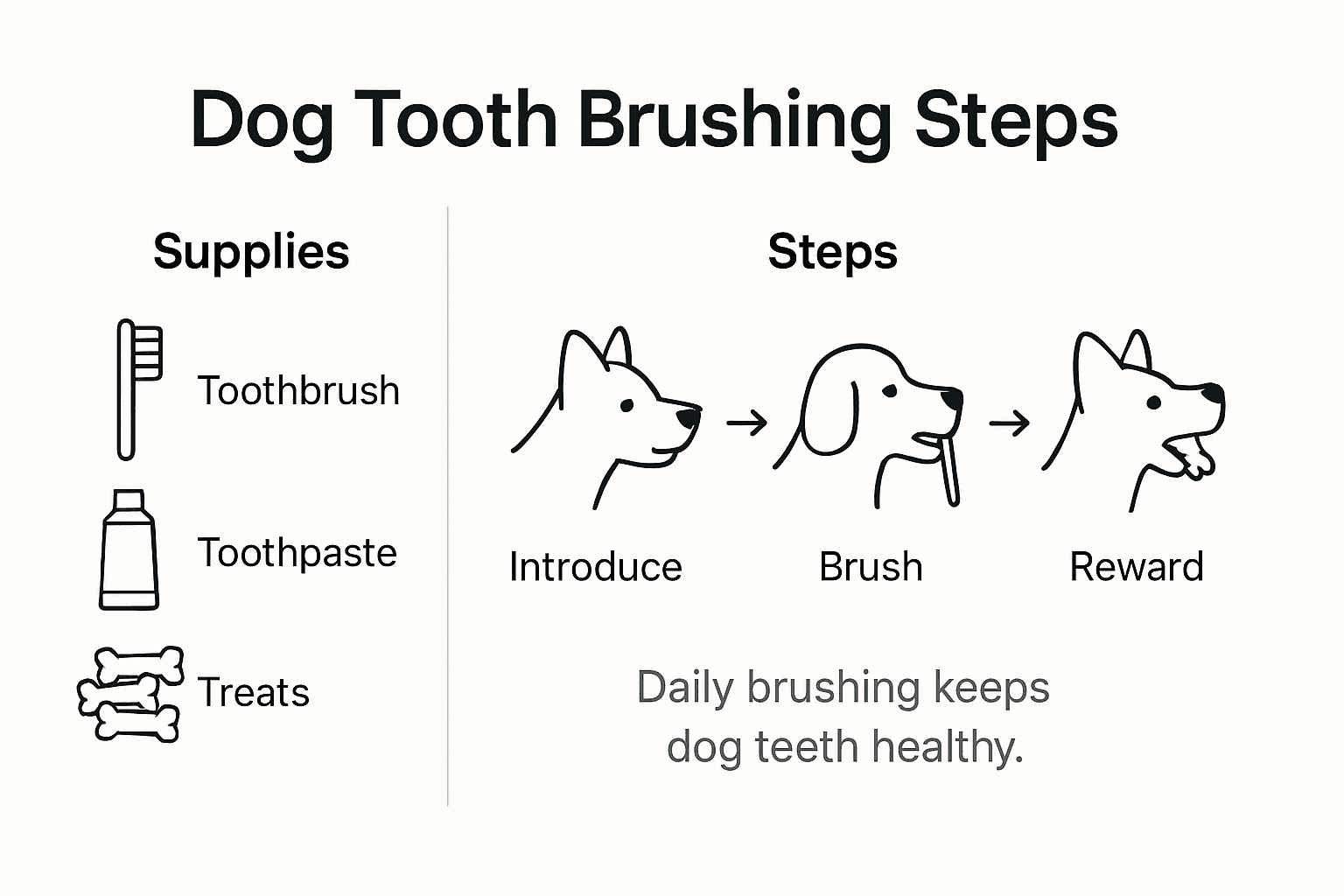
Preparing to brush your dog’s teeth starts with selecting the right cleaning tools. You’ll want to collect specialized dental supplies that make the process safe and effective for your furry friend.
First, grab a toothbrush designed specifically for dogs. Veterinary experts recommend using a soft-bristled pet finger brush or a pediatric human toothbrush because these provide gentler cleaning. Avoid standard adult toothbrushes which can be too harsh for your dog’s sensitive gums. Pet finger brushes that slide over your fingertip work particularly well for dogs who are new to tooth brushing and might feel anxious about the process.
Next, select a dog-friendly toothpaste. This is absolutely critical. Never use human toothpaste, as some contain ingredients that are toxic to dogs. Pet toothpastes come in flavors like chicken or beef that make the experience more enjoyable for your dog. These specialized formulas are designed to be safe if swallowed and help break down plaque and tartar.
Pro tip: Purchase your dog dental supplies from a veterinarian or reputable pet supply store to ensure you get high-quality, safe products specifically formulated for canine dental care.
Here’s a quick comparison of common dog dental care tools:
| Tool Type | Main Benefit | Best For |
|---|---|---|
| Finger Toothbrush | Gentle cleaning, easy control | Beginners, anxious dogs |
| Pediatric Toothbrush | Soft bristles, precise reach | Small to medium dogs |
| Dog Toothpaste (chicken) | Tasty, encourages acceptance | Picky or young dogs |
| Dog Toothpaste (beef) | Palatable, easy to swallow | Dogs with meat preference |
Step 2: Introduce Your Dog to Toothbrushing
Teaching your dog to accept tooth brushing requires patience and a gentle approach. Your goal is to make this new experience positive and stress-free for your furry friend.
Veterinary professionals recommend a gradual introduction process that helps your dog become comfortable with dental care. Start by letting your dog taste the pet toothpaste. Choose a flavor they might enjoy like chicken or beef. Gently place a small amount of toothpaste on your finger and let them lick it, which helps them associate the taste with something pleasant. This step is crucial in building trust and making future brushing easier.
Next, begin touching your dog’s mouth and gums without the toothbrush. Run your finger along their teeth and gums, rewarding them with praise and treats to create a positive connection. Once they seem comfortable, introduce the toothbrush with a small amount of toothpaste. Let them lick the toothpaste off the bristles to further normalize the experience. Remember to move slowly and always end the session on a positive note.
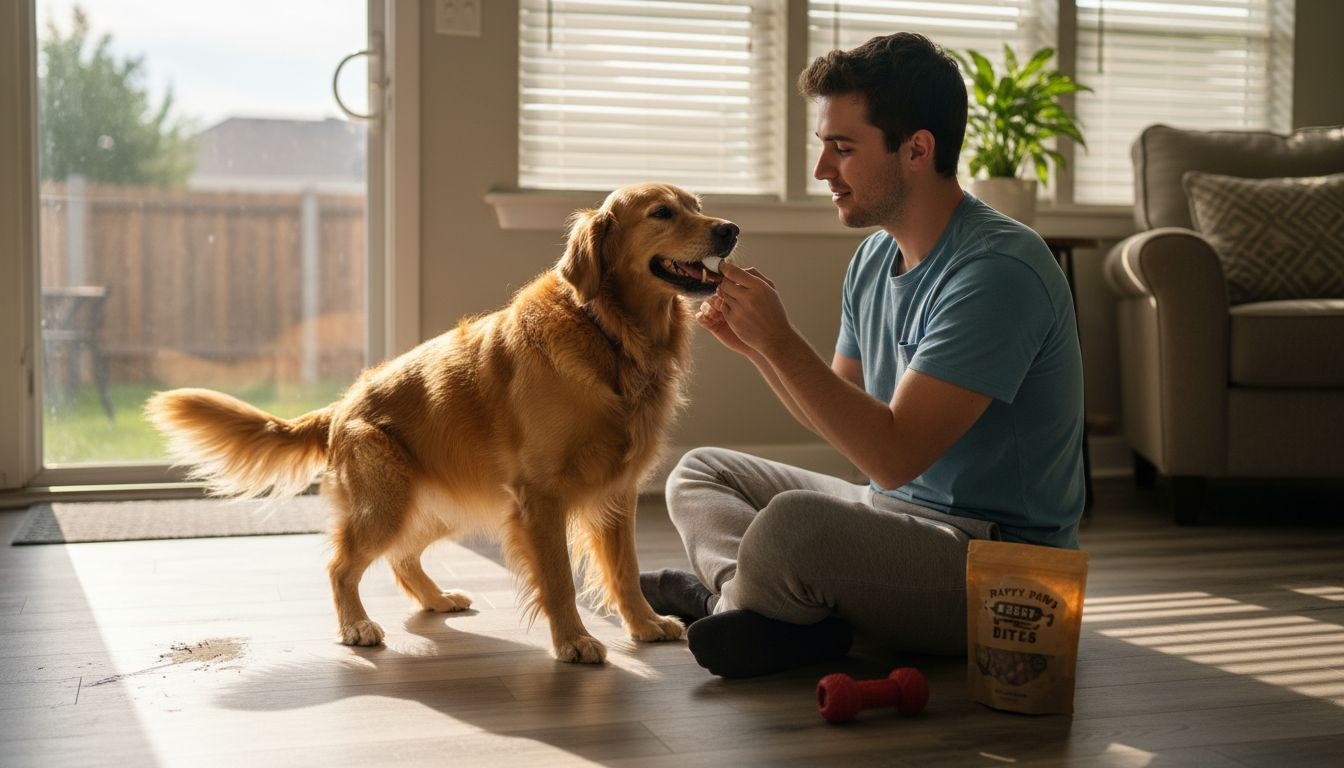
Pro tip: Practice these introduction steps for several days to a week before actual brushing, ensuring your dog feels completely relaxed and receptive to the new routine.
Step 3: Apply Dog Toothpaste and Position Properly
Now that your dog is comfortable with the toothpaste, you’re ready to learn the proper technique for applying toothpaste and positioning yourself for an effective tooth cleaning session.
Veterinary experts recommend a specific approach to brushing that maximizes cleaning while keeping your dog comfortable. Begin by putting a small amount of dog-friendly toothpaste on the brush. You do not need to open your dog’s mouth wide or force it open. Instead, gently hold your dog’s nose and mouth closed while inserting the brush between the lips.
Position yourself in a way that feels comfortable for both you and your dog. Most people find it easiest to sit beside or slightly behind their dog. Start brushing at the back teeth, angling the bristles slightly upward to reach under the gum line. Use small circular motions, working from the back teeth toward the front. Focus on the outer surfaces of the teeth where plaque tends to accumulate most. Keep the brushing session short at first around 30 to 45 seconds per side to prevent your dog from becoming stressed or overwhelmed.
Pro tip: Practice the positioning and brushing motion without actually brushing first, using treats and praise to help your dog associate the motion with a positive experience.
Step 4: Brush Gently Using the Correct Technique
Mastering the right tooth brushing technique will help keep your dog’s mouth clean and make the experience comfortable for both of you. The goal is to clean effectively while keeping your furry friend calm and cooperative.
Veterinary professionals recommend working from the back teeth toward the front using small circular motions. These gentle circular movements help remove plaque and food debris more effectively than straight back and forth scrubbing. Start by brushing in short intervals, gradually building up to a more thorough cleaning routine. Most dogs will only tolerate about 30 seconds of brushing per side, so focus on quality over quantity.
Ensure you are using a soft touch and paying attention to your dog’s body language. Aim to clean the outer surfaces of the teeth where plaque builds up most quickly. If your dog shows signs of stress or discomfort, stop and try again later. Remember that consistency is more important than perfection. Some cleaning is always better than no cleaning at all. Work on making this a positive experience by offering praise and treats throughout the process.
Pro tip: Use a timer to help you maintain consistent and brief brushing sessions, which will help prevent your dog from becoming overwhelmed or anxious.
Step 5: Reward Your Dog and Check Teeth Cleanliness
Congratulations on completing your dog’s tooth brushing session. This final step is crucial for reinforcing positive behavior and monitoring your dog’s oral health.
Always follow up each brushing session with praise, a favorite treat, or a short walk to create a positive association. This helps your dog view tooth brushing as an enjoyable experience rather than a dreaded task. After rewarding your pup, take a moment to visually inspect their teeth and gums for any signs of potential issues like redness, swelling, or unusual discoloration.
Veterinary professionals recommend preventative dental evaluations every one to two years, with individual follow-up schedules determined by your specific dog’s needs. Even with regular home brushing, some dogs may require professional cleaning. Watch for signs like bad breath, yellow or brown tartar buildup, or reluctance to eat, which might indicate the need for a veterinary dental checkup. Consistency in your home dental care routine can significantly reduce the likelihood of serious dental problems.
Pro tip: Keep a dental care journal to track your dog’s oral health progress, noting any changes in tooth color, gum condition, or brushing tolerance.
Use this summary table to remember post-brushing best practices:
| Action | Why It Matters | Frequency |
|---|---|---|
| Reward your dog | Builds positive associations | After every session |
| Inspect teeth & gums | Detects early dental issues | Each brushing |
| Schedule vet checkup | Prevents serious oral diseases | Annually or as advised |
| Track oral health | Monitors long-term progress | Update after every check |
Keep Your Dog Smiling Bright With Comfortable Care Accessories
Brushing your dog’s teeth naturally is essential for a healthy smile but can be challenging without the right tools and comfort in place. The article highlights how gentle, gradual introduction to tooth brushing and using dog-friendly toothpaste are key to success. At the same time, ensuring your furry friend stays comfortable and happy during their dental care routine is just as important to make brushing stress-free and enjoyable.

Enhance your dog’s dental care experience with cozy gear and pet products designed for comfort and calm. Explore our selection of stylish pet apparel, warm sweaters, and functional accessories that keep your dog relaxed before and after brushing sessions. Don’t wait to create a positive daily routine with your pet by browsing all our premium products at FurFamilyClub. Discover how the right environment and quality supplies can make natural teeth brushing a breeze. Start today to protect your dog’s healthy smile while keeping their comfort top priority.
Frequently Asked Questions
How can I naturally brush my dog’s teeth at home?
To naturally brush your dog’s teeth, gather dog-safe dental supplies such as a soft-bristled toothbrush and pet-friendly toothpaste. Gradually introduce these tools to your dog, allowing them to taste the toothpaste, and practice using the brush to keep their teeth clean daily for optimal oral health.
What are the best techniques for brushing my dog’s teeth?
The best techniques include using small circular motions to clean the outer surfaces of your dog’s teeth and focusing on the back teeth where plaque builds up. Start brushing in short intervals, around 30 seconds, while monitoring your dog’s comfort level to keep the experience positive and calm.
How often should I brush my dog’s teeth for healthy smiles?
You should aim to brush your dog’s teeth at least every day to maintain their oral hygiene effectively. Regular brushing helps reduce plaque buildup and promotes healthy gums, leading to improved dental health over time.
What ingredients should I avoid in dog toothpaste?
Avoid human toothpaste and any formulas containing xylitol, fluoride, or other harmful ingredients for dogs, as these can be toxic. Stick to dog-safe toothpaste that is specifically designed for pets and comes in flavors your dog enjoys, like chicken or beef.
How can I tell if my dog’s dental health is at risk?
Look for signs such as bad breath, red or swollen gums, and yellow or brown tartar buildup on their teeth. Regularly inspect your dog’s mouth after brushing to catch any potential issues early and schedule a veterinary checkup if you notice concerning changes.
What rewards can I use after brushing to encourage my dog?
After brushing your dog’s teeth, use their favorite treat, offer praise, or take them for a short walk as a reward. This positive reinforcement helps your dog associate teeth brushing with good experiences, making them more willing to cooperate during future sessions.
Recommended
- Pet Grooming & Health Guide | Complete Home Care for Dogs & Cats – Furfamilyclub
- Best Dog Grooming Tools and Grooming Tips | Furfamilyclub
- Dog Blanket Guide | Cozy, Warm Pet Blankets for Dogs – Furfamilyclub
- Pet Hair Removal Comb | Dual Sided Grooming Brush for Dogs & Cats – Furfamilyclub
- Are dental implants better than teeth? - Albania Dental Implants


