

Why Pet Grooming Matters for Urban Pet Owners
Finding reliable grooming solutions is a real challenge for American urban pet owners facing bitter winters. Over 60 percent of city pets suffer from dry skin and matted fur during the cold months, making effective grooming more important than ever. Stylish, functional pet grooming tools offer more than trendy appeal—they support better hygiene and comfort just when your companion needs it most. Discover how the right choices keep winter routines smooth and festive seasons stress free.
Table of Contents
- Defining Pet Grooming And Key Concepts
- Essential Types Of Pet Grooming Tasks
- Health, Comfort, And Seasonal Benefits
- Risks Of Neglecting Pet Grooming
- Choosing Tools And Building A Routine
Key Takeaways
| Point | Details |
|---|---|
| Importance of Pet Grooming | Grooming is crucial for maintaining pets’ health, hygiene, and emotional well-being beyond aesthetics. Regular grooming helps detect potential health issues early. |
| Customized Grooming Routines | Establish a grooming schedule tailored to your pet’s breed, coat type, and lifestyle to ensure effective care and health monitoring. |
| Seasonal Grooming Strategies | Adapt grooming techniques based on seasonal changes to address temperature regulation and environmental conditions affecting your pet’s health. |
| Risks of Neglecting Grooming | Inadequate grooming can lead to health complications such as skin infections, dental issues, and behavioral problems, highlighting its necessity in responsible pet care. |
Defining Pet Grooming and Key Concepts
Pet grooming is a comprehensive health maintenance activity that goes far beyond simple aesthetic concerns. At its core, grooming represents a critical preventative health measure designed to ensure the physical wellness of companion animals. This process involves a systematic approach to maintaining an animal’s hygiene, appearance, and overall bodily health through specialized techniques and tools.
The fundamental aspects of pet grooming include several key practices: brushing fur to remove loose hair and prevent matting, bathing to clean skin and coat, nail trimming to prevent overgrowth and potential mobility issues, ear cleaning to avoid infections, and dental maintenance. Social grooming behaviors are equally important for animal welfare, serving functions beyond physical cleanliness such as temperature regulation, parasite prevention, and strengthening social bonds between animals.
Urban pet owners face unique grooming challenges related to limited outdoor spaces, increased exposure to environmental pollutants, and restricted exercise opportunities. Regular grooming becomes not just a cosmetic routine but a critical health intervention. Proper grooming helps detect early signs of skin conditions, monitors weight changes, checks for unusual lumps or bumps, and provides an opportunity for close physical examination that can reveal potential health issues before they become serious problems.
Pro tip: Schedule a consistent grooming routine that matches your pet’s specific breed, coat type, and lifestyle to maintain optimal health and catch potential medical issues early.
Essential Types of Pet Grooming Tasks
Pet grooming encompasses a comprehensive range of tasks designed to maintain an animal’s physical health and appearance. Key grooming components include several critical practices that address different aspects of a pet’s overall wellness. These essential tasks range from basic hygiene maintenance to preventative health screenings, each serving a unique purpose in supporting the animal’s comfort and long-term health.
The fundamental grooming tasks typically involve multiple interconnected activities. Brushing remains a cornerstone practice, helping to remove loose fur, distribute natural skin oils, prevent matting, and detect potential skin issues. Bathing helps eliminate dirt, reduce allergens, and control parasites, while nail trimming prevents overgrowth that can cause mobility problems. Ear cleaning is crucial for preventing infections, and dental maintenance supports overall health by reducing the risk of oral diseases. Routine grooming also plays a significant role in behavioral and social development, helping pets become more comfortable with physical handling and reducing anxiety during veterinary examinations.
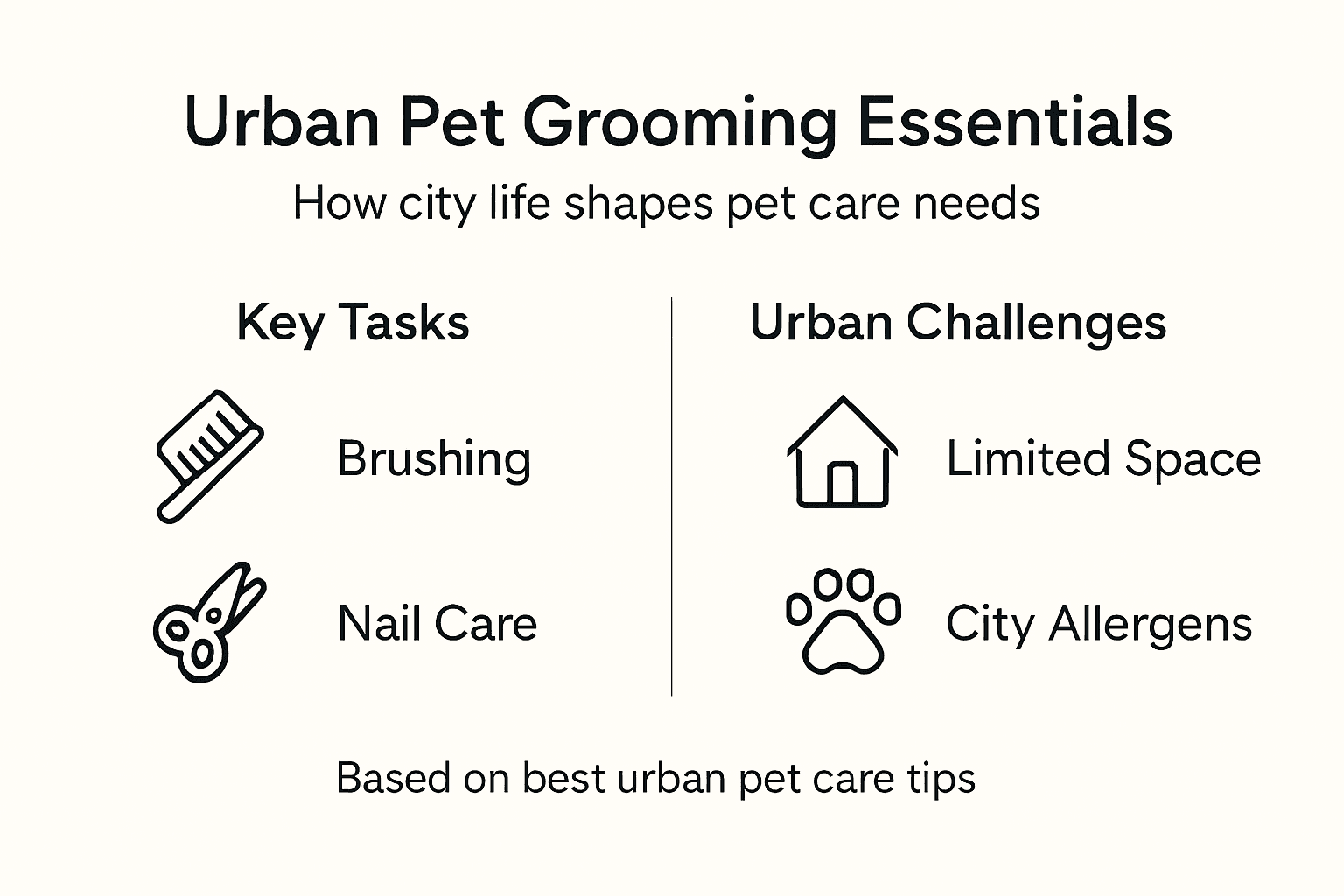
Urban pet owners must adapt these grooming practices to their specific environment, considering factors like limited space, increased exposure to pollutants, and reduced outdoor activity. Different breeds and coat types require tailored approaches, with long-haired dogs needing more intensive detangling and short-haired breeds benefiting from different brushing techniques. Professional grooming services can provide specialized care, using advanced tools and techniques that address breed-specific needs and potential health considerations.
Here’s a summary of grooming needs by coat type:
| Coat Type | Ideal Grooming Frequency | Key Tools Needed |
|---|---|---|
| Short-haired | Weekly | Bristle brush, wipes |
| Long-haired | Every other day | Slicker brush, dematter |
| Double-coated | Weekly, more in shedding season | Undercoat rake, comb |
| Curly or Wavy | Weekly, plus trims | Pin brush, scissors |
Pro tip: Create a personalized grooming schedule that considers your pet’s breed, coat type, lifestyle, and individual health requirements to ensure comprehensive and effective care.
Health, Comfort, and Seasonal Benefits
Grooming transcends simple aesthetic maintenance, representing a critical approach to ensuring pets’ overall health and wellbeing. Seasonal grooming plays a crucial role in managing animal comfort by addressing physiological challenges related to temperature regulation and environmental stress. Urban pet owners must recognize that proper grooming is not just about appearance, but about maintaining their companion’s physical and emotional health throughout changing seasonal conditions.
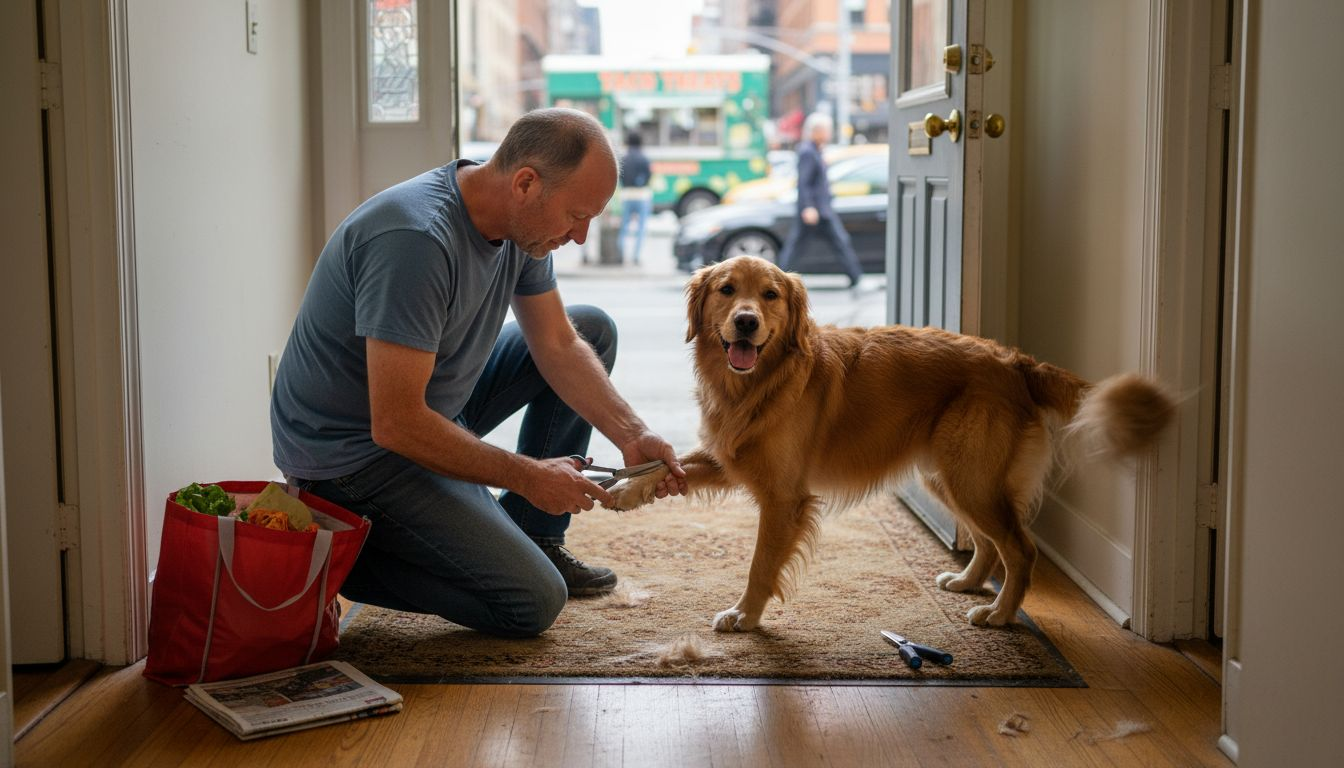
The health benefits of consistent grooming are multifaceted and profound. Regular brushing and coat maintenance help detect early signs of potential medical issues such as skin abnormalities, tumors, or parasitic infections. Trimming prevents painful matting that can lead to skin irritations, while consistent nail care prevents structural problems in paws that could impact mobility. Ear and dental cleaning reduce risks of infections, creating a comprehensive approach to preventative healthcare that goes far beyond surface-level maintenance.
Seasonal transitions present unique challenges for urban pets with limited outdoor exposure. Winter demands extra attention to coat thickness and skin moisture, while summer requires strategies to manage excessive shedding and prevent overheating. Different breeds have varying needs, with thick-coated dogs requiring more intensive grooming during temperature shifts to maintain proper thermal regulation. Professional grooming services can provide specialized interventions that help pets adapt to environmental changes, ensuring their comfort and health through strategic coat management and hygiene practices.
The following table highlights how seasonal changes affect urban pet grooming routines:
| Season | Grooming Focus | Urban Challenge |
|---|---|---|
| Winter | Moisturizing skin, mat checks | Dry air, indoor heating |
| Spring | Shedding control, allergy management | Increased pollen |
| Summer | Overheating prevention, parasite checks | Hot surfaces, pollutants |
| Fall | Shedding management, coat conditioning | Leaf debris, rain |
Pro tip: Develop a seasonal grooming strategy that adapts to your pet’s specific breed characteristics, adjusting frequency and techniques based on climate changes and individual health requirements.
Risks of Neglecting Pet Grooming
Pet grooming neglect carries profound consequences that extend far beyond mere aesthetic concerns. Significant health risks emerge from inadequate grooming practices, creating potential long-term medical complications for companion animals. Urban pet owners must understand that consistent grooming is not a luxury but a critical component of responsible pet care, directly impacting an animal’s physical and emotional wellbeing.
The medical implications of grooming neglect are extensive and potentially severe. Untreated fur can develop painful matting that causes skin irritation, creates breeding grounds for parasites, and restricts natural skin breathing. Long-term grooming neglect dramatically increases risks of severe welfare concerns, potentially leading to strangulating mats that cause open wounds, intense skin infections, and significant physical discomfort. Specific risks include reduced mobility from overgrown nails, potential ear infections from uncleaned ear canals, and dental problems stemming from poor oral hygiene.
Behavioral changes often accompany physical discomfort, with neglected pets potentially developing anxiety, aggression, or withdrawal. Urban environments present unique challenges, as limited outdoor spaces and increased environmental pollutants can accelerate fur and skin degradation. Thick-coated breeds are particularly vulnerable, requiring more intensive and regular maintenance to prevent health complications. Professional grooming services can provide specialized interventions that help identify and address potential health issues before they become serious medical concerns.
Pro tip: Schedule quarterly veterinary consultations to establish a comprehensive grooming baseline specific to your pet’s breed, age, and individual health requirements.
Choosing Tools and Building a Routine
Building an effective pet grooming routine requires strategic planning and careful selection of appropriate grooming tools. Urban pet owners must understand that each animal has unique grooming requirements based on breed, coat type, and individual health characteristics. Selecting the right tools is not a one-size-fits-all approach but a personalized process that demands thoughtful consideration and ongoing adaptation.
The fundamental grooming toolkit should include a variety of specialized instruments. Essential items include multiple brush types (slicker brushes, pin brushes, and undercoat rakes), quality nail trimmers, ear cleaning solutions, pet-safe shampoos, and potentially electric clippers for specific breeds. Consistent grooming routines help pets become comfortable with handling and reduce anxiety during maintenance sessions. Professional groomers recommend introducing tools gradually, allowing pets to become familiar with each implement through positive reinforcement and patient interactions.
Urban environments present unique grooming challenges that require adaptable strategies. Limited living spaces mean grooming often occurs indoors, necessitating tools that are compact, efficient, and easy to store. Pets exposed to city pollutants and restricted outdoor environments need more frequent and thorough grooming to maintain skin and coat health. Breed-specific considerations become crucial, with long-haired dogs requiring more intensive tools and techniques compared to short-haired breeds. Investing in high-quality, ergonomic tools that minimize stress for both pet and owner can transform grooming from a challenging task into a bonding experience.
Pro tip: Create a dedicated grooming station in your home with organized storage for tools, treats, and cleaning supplies to streamline your pet care routine and make maintenance more consistent.
Keep Your Urban Pet Healthy and Comfortable All Year Round
Urban pet owners face unique grooming challenges that can impact their pets’ health and happiness. Issues like limited outdoor space, seasonal shedding, and skin care require more than just regular brushings. Incorporating a comprehensive wellness approach with the right grooming tools and supplements can help you maintain your pet’s coat, comfort, and overall wellbeing in any environment. This article highlighted key grooming techniques every owner should master to prevent painful matting, skin infections, and mobility problems while enhancing your pet’s emotional health.
Discover how you can support your dog’s or cat’s health with high-quality care products from Pet Wellness Supplements for Dogs & Cats – Furfamilyclub.

Act now to build a personalized grooming and health routine using premium supplements, cozy seasonal apparel, and effective grooming accessories from FurFamilyClub. Take the first step toward protecting your furry family member’s comfort and vitality in every season. Visit our site today and give your pet the care they deserve.
Frequently Asked Questions
Why is pet grooming important for urban pet owners?
Pet grooming is essential for urban pet owners because it maintains the physical health and hygiene of pets, helps detect early signs of health issues, and adapts to the unique challenges of urban living, such as limited outdoor space and increased exposure to environmental pollutants.
What are the key grooming tasks that should be included in a pet grooming routine?
Key grooming tasks include brushing fur, bathing, nail trimming, ear cleaning, and dental maintenance. Each task plays a vital role in ensuring overall pet health and preventing potential medical issues.
How does seasonal change affect pet grooming needs for urban pets?
Seasonal changes impact grooming needs by requiring tailored strategies for temperature regulation and skin care. For instance, winter may require more attention to skin moisture, while summer emphasizes shedding and overheating prevention.
What are the risks of neglecting pet grooming?
Neglecting pet grooming can lead to serious health issues, including painful matting, skin infections, overgrown nails affecting mobility, and dental problems. Behavioral changes like anxiety and aggression may also arise from discomfort due to inadequate grooming.


