

What Is Raw Dog Food and Why It Matters
Finding the right winter nutrition for city dogs is no small feat, especially when common myths about raw food can cloud your choices. More American pet owners are exploring raw diets, but confusion around safety and nutritional balance persists. Urban environments intensify these worries during cold months, when a dog’s immune system can be more vulnerable. This guide sheds light on what raw dog food really means, dispels misconceptions, and reveals smart strategies for nourishing your companion through the winter.
Table of Contents
- Defining Raw Dog Food And Common Myths
- Types Of Raw Dog Food Diets Explained
- Nutritional Components And How Raw Feeding Works
- Health Benefits And Potential Risks For Dogs
- Safety Tips And Comparing Raw To Other Diets
Key Takeaways
| Point | Details |
|---|---|
| Raw Dog Food Philosophy | Raw dog food aims to replicate a dog’s ancestral diet with minimal processing, emphasizing natural nutrition through raw proteins and organs. |
| Risk Factors | The adoption of a raw diet requires awareness of potential bacterial contamination and nutritional imbalances, necessitating careful planning. |
| Diet Types | Two primary types include homemade raw diets, which require advanced nutritional knowledge, and commercially prepared options that provide convenience and standardization. |
| Professional Guidance | Consulting with a veterinary nutritionist is crucial to ensure a safe and nutritionally balanced raw feeding approach for individual dogs. |
Defining Raw Dog Food and Common Myths
Raw dog food represents a feeding approach that challenges traditional pet nutrition models by providing unprocessed, minimally handled animal proteins directly to canines. According to the American Veterinary Medical Association (AVMA), raw diets typically include uncooked meat, poultry, fish, eggs, and occasionally milk products, presenting a controversial nutritional strategy that sparks significant debate among pet health professionals.
The core philosophy behind raw dog food stems from the belief that domesticated dogs should consume a diet closer to what their wild ancestors would eat. European pet nutrition experts highlight that raw feeding involves providing diets composed primarily of raw meat, organ tissues, and bone matter, often supplemented with fruits, vegetables, and additional nutrient sources. This approach aims to mimic the evolutionary dietary patterns of canines, potentially offering more natural and less processed nutrition.
However, significant myths surround raw dog food that require careful examination. Common misconceptions include assumptions that raw diets are inherently safer, more nutritionally complete, or automatically healthier than traditional processed pet foods. Veterinary research consistently warns about potential risks, including pathogen transmission and nutritional imbalances. Salmonella, Listeria, and other bacterial contaminations represent serious health concerns for both pets and their human families. Homemade raw diets, in particular, frequently lack precise nutritional balance, potentially leading to significant dietary deficiencies.
Key Considerations for Raw Dog Food:
- Requires careful nutritional planning
- Potential bacterial contamination risks
- Not suitable for all dogs
- Demands thorough understanding of canine nutritional needs
Pro tip: Consult with a veterinary nutritionist before transitioning to a raw dog food diet to ensure your pet receives balanced, safe nutrition tailored to their individual health requirements.
Types of Raw Dog Food Diets Explained
Raw dog food diets encompass several distinct approaches designed to provide pets with minimally processed nutrition. According to European pet nutrition experts, two primary categories dominate the raw feeding landscape: homemade and commercially prepared raw diets. Each type presents unique characteristics, nutritional profiles, and potential challenges for dog owners seeking alternative feeding strategies.
Homemade Raw Diets represent a hands-on approach where pet owners personally select and combine raw ingredients. These diets typically include raw meat, bones, organ tissues, fruits, and vegetables, aiming to replicate ancestral canine nutrition. Specialized research from pet nutrition organizations reveals this method, often called BARF (Biologically Appropriate Raw Food), requires extensive nutritional knowledge to ensure balanced meal compositions. Dog owners must carefully calculate protein ratios, mineral content, and vitamin supplementation to prevent potential dietary deficiencies.
Commercially prepared raw diets offer a more convenient alternative for pet owners seeking structured nutrition without complex meal planning. These products come in two primary formats: frozen and freeze-dried options. Frozen raw diets maintain ingredient integrity and nutritional density, while freeze-dried alternatives provide extended shelf stability and easier storage. Manufacturers typically offer two product classifications: complete diets that meet full nutritional requirements when served alone, and complementary diets that necessitate additional food sources to ensure comprehensive nutrition.
Raw Diet Format Comparison:
- Homemade Raw Diets
- Maximum customization
- Requires advanced nutritional expertise
- Higher preparation time
- Commercial Raw Diets
- Convenient packaging
- Standardized nutritional profiles
- Available in frozen and freeze-dried formats
Pro tip: Consult a veterinary nutritionist to assess your dog’s specific dietary needs and determine the most appropriate raw food approach for their age, breed, and health status.
Nutritional Components and How Raw Feeding Works
Raw feeding strategies represent a complex nutritional approach that centers on providing dogs with unprocessed, biologically appropriate food sources. The fundamental components of raw dog diets typically include raw meat, edible bones, organ tissues, and supplementary ingredients designed to mimic the nutritional profile of a canine’s ancestral diet. Unlike traditional processed pet foods, raw diets leverage the natural enzymatic and nutritional properties of uncooked ingredients to support optimal canine health.
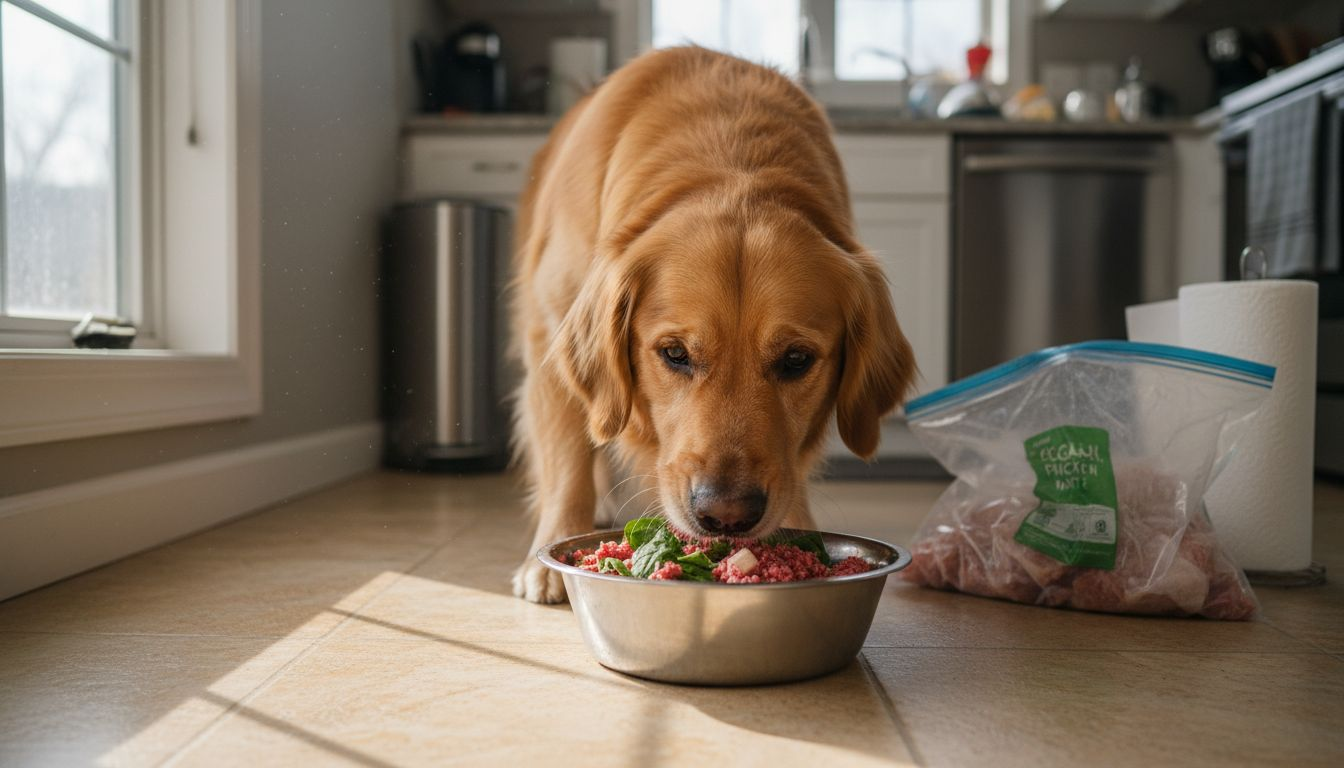
The core nutritional framework of raw dog food revolves around precise protein, fat, vitamin, and mineral compositions. European pet nutrition experts emphasize that essential nutrients must include complete amino acid profiles, critical fatty acids like omega-3 and omega-6, and carefully balanced mineral ratios. Protein sources typically encompass muscle meat, organ meats like liver and kidney, and sometimes raw eggs, providing comprehensive amino acid combinations that support muscle development, immune function, and metabolic processes.
Canine digestive systems are uniquely adapted to process raw animal proteins, with highly acidic stomach environments that effectively neutralize potential bacterial risks. The diet’s success hinges on maintaining precise nutritional balance, which requires understanding complex interactions between protein sources, bone content, and supplementary nutrients. Calcium to phosphorus ratios represent a critical consideration, as improper balance can lead to significant health complications. Most nutritionists recommend commercial raw diets over homemade alternatives, as these products undergo rigorous nutritional testing and provide more consistent nutrient profiles.
Key Nutritional Components:
- High-quality animal proteins
- Raw organ meats
- Edible bone sources
- Omega fatty acid supplements
- Trace mineral additions
Pro tip: Work with a veterinary nutritionist to develop a customized raw feeding plan that addresses your specific dog’s age, breed, weight, and individual health requirements.
Health Benefits and Potential Risks for Dogs
Raw dog food diets present a complex nutritional landscape with both potential advantages and significant health considerations. Proponents argue that unprocessed diets can enhance overall canine health through more bioavailable nutrients, improved digestion, and nutritional profiles closer to ancestral feeding patterns. These diets may contribute to improved coat quality, increased energy levels, and more efficient nutrient absorption compared to traditional processed pet foods.

FDA research highlights critical safety concerns surrounding raw feeding practices, particularly the substantial risk of bacterial contamination. Pathogens like Salmonella and Listeria monocytogenes pose serious health threats not just to dogs, but to human family members as well. Immunocompromised pets, elderly dogs, and young puppies are especially vulnerable to potential infections that can emerge from improperly handled or prepared raw food sources.
The potential health benefits of raw diets include enhanced dental health through natural chewing mechanisms, improved muscle tone, more consistent weight management, and potentially reduced allergic reactions. However, these advantages must be carefully weighed against the inherent risks of nutritional imbalances and bacterial contamination. Veterinary nutritionists strongly recommend professional guidance when considering raw feeding, emphasizing the importance of precise nutrient balance, proper food handling, and individual health assessments.
Potential Health Considerations:
- Improved nutrient bioavailability
- Enhanced dental hygiene
- Potential weight management benefits
- Increased risk of bacterial contamination
- Requires careful nutritional planning
Pro tip: Consult with a veterinary professional and invest in high-quality commercial raw food products that undergo rigorous safety testing to minimize potential health risks.
Safety Tips and Comparing Raw to Other Diets
FDA safety guidelines for raw pet feeding underscore the critical importance of meticulous food handling and preparation when considering raw dog food diets. Unlike traditional processed pet foods, raw diets require significantly more stringent safety protocols to minimize potential health risks. The fundamental differences between raw and conventional diets extend beyond nutritional composition, encompassing complex considerations of food preparation, storage, and potential pathogen transmission.
Compared to kibble and canned food options, raw diets demand substantially more careful handling and preparation. Commercial processed diets undergo high-temperature cooking processes that eliminate most bacterial risks, whereas raw foods retain their natural microbial environment. European pet nutrition experts emphasize the necessity of implementing rigorous safety measures, including thorough hand washing, immediate refrigeration, and dedicated food preparation surfaces to prevent cross-contamination.
Here’s how raw, kibble, and canned diets differ for dogs:
| Diet Type | Main Advantages | Main Drawbacks | Preparation Effort |
|---|---|---|---|
| Raw | High nutrient bioavailability | Increased bacterial risk | Requires detailed planning |
| Kibble | Convenient, long shelf life | May have less digestible ingredients | Minimal, ready to serve |
| Canned | Palatable, higher moisture | Can spoil after opening | Simple, some refrigeration |
Key safety strategies for raw feeding include sourcing high-quality ingredients from reputable manufacturers, maintaining strict refrigeration protocols, and using separate cutting boards and utensils for pet food preparation. Pet owners must also practice meticulous hygiene, washing hands thoroughly after handling raw meat, cleaning food preparation areas with antibacterial solutions, and preventing direct contact between raw meat and other food surfaces. Veterinary professionals recommend commercial raw diets over homemade alternatives, as these products typically undergo more comprehensive safety testing and nutritional analysis.
Critical Safety Recommendations:
This table summarizes professional recommendations for safe raw feeding:
| Professional Guidance | Rationale | Who Benefits Most |
|---|---|---|
| Veterinary nutritionist consult | Ensures balanced nutrients | All dog owners, especially beginners |
| Use tested commercial products | Minimizes contamination risk | Households with children or elderly |
| Separate prep tools | Prevents cross-contamination | Families with multiple pets |
| Meticulous storage routines | Reduces spoilage and bacteria | Owners with busy schedules |
- Use dedicated food preparation surfaces
- Wash hands immediately after handling raw food
- Refrigerate raw foods promptly
- Clean preparation areas with antibacterial solutions
- Supervise pets during feeding
- Dispose of uneaten raw food quickly
Pro tip: Invest in separate cutting boards, utensils, and cleaning supplies exclusively for raw pet food preparation to minimize cross-contamination risks.
Keep Your Dog Comfortable and Safe While Exploring Raw Nutrition
Switching to a raw dog food diet means you care deeply about your pet’s health and natural wellbeing. But as the article highlights, raw feeding requires careful planning and safety measures to protect your dog from potential risks like bacterial contamination and nutritional imbalances. Alongside providing balanced raw nutrition, ensuring your dog stays warm and comfortable—especially during colder seasons—is essential for their overall wellness and happiness.

At FurFamilyClub, we understand that adopting a raw feeding lifestyle goes hand in hand with attentive care. That is why we offer a wide range of premium dog apparel, including jackets, sweaters, and hoodies designed to keep your furry friend cozy during walks or outdoor meals in chilly weather. Complement your nutritional efforts by choosing accessories that enhance your pet’s comfort and safety during this important transition. Act now to provide your dog with quality gear that supports their health journey and protects them when it matters most. Explore our full collection and make every day safer and warmer for your dog today.
Frequently Asked Questions
What is raw dog food?
Raw dog food is a feeding approach that provides unprocessed, minimally handled animal proteins to dogs. It typically includes uncooked meat, poultry, fish, eggs, and sometimes milk products, aiming to mimic the diets of dogs’ wild ancestors.
What are the different types of raw dog food diets?
There are two primary types of raw dog food diets: homemade and commercially prepared. Homemade diets require pet owners to select and mix raw ingredients, while commercially prepared diets offer convenient options, available in frozen or freeze-dried formats, that are formulated to meet nutritional standards.
What are the potential health benefits of a raw dog food diet?
Potential health benefits of a raw dog food diet include improved coat quality, enhanced energy levels, better digestion, and improved dental health. These diets may also lead to better weight management and less allergic reactions for some dogs.
What are the risks associated with feeding dogs raw food?
Feeding dogs raw food carries risks such as potential bacterial contamination (e.g., Salmonella, Listeria) and nutritional imbalances, especially in homemade diets that may lack precise nutritional composition. It’s crucial to consult with a veterinary nutritionist to mitigate these risks.
Recommended
- Ergonomic Dog Feeding Bowl for Ultimate Neck Protection | Furfamilyclub
- Dog Teeth Cleaning Bones for Healthy Chewing | Furfamilyclub
- Choosing Durable and High-Quality Dog Jackets in the United States | F – Furfamilyclub
- Dog Licking Mat Slow Feeder - Interactive Slow Feed Toys for Dogs | Furfamilyclub


