

Role of Toys in Dog Training—Boosting Focus and Bonding
Most American city dogs spend over half the year in chilly weather, making training and daily play a true challenge for their devoted owners. High-quality toys are not just entertainment, they are proven tools that keep dogs motivated and learning even through harsh winters. For urban dog lovers who want comfort, style, and effective results, discovering the right training toys means your pet stays healthy and engaged no matter how low the temperature drops.
Table of Contents
- Toys As Training Tools: Core Concepts
- Types Of Training Toys For Urban Dogs
- How Toys Build Focus And Motivation
- Choosing Toys Suitable For Winter
- Toy Safety And Common Training Mistakes
Key Takeaways
| Point | Details |
|---|---|
| Toys Enhance Training | Toys are valuable tools that improve training effectiveness and strengthen the bond between dogs and owners. |
| Select Appropriate Toys | Choose toys that align with your dog’s energy levels and play styles to maintain engagement. |
| Consider Safety | Monitor toy condition regularly and choose non-toxic, breed-appropriate toys to ensure safety during play. |
| Tailor for Environment | Utilize winter-specific toys that withstand cold and provide indoor engagement to keep training consistent. |
Toys as Training Tools: Core Concepts
Dog training involves more than commands and discipline. Toys represent sophisticated communication tools that transform learning into an engaging, relationship-building experience. Research on positive reinforcement methods demonstrates that interactive play can dramatically enhance a dog’s responsiveness and overall training effectiveness.
At the core of toy-based training are three fundamental principles. First, toys serve as powerful motivational instruments that tap into a dog’s natural drive to play and interact. By associating training with enjoyable experiences, dogs become more willing participants in learning processes. Academic reviews of training methodologies confirm that reward-based approaches using toys can significantly improve obedience and strengthen the human-animal bond.
The psychological mechanics behind toy-based training are complex but powerful. Dogs interpret toys not just as objects, but as tokens of engagement and positive interaction. Different types of toys trigger various cognitive and emotional responses - puzzle toys stimulate problem-solving skills, tug toys encourage controlled interaction, and fetch toys develop impulse control. By strategically selecting and using toys, owners can create structured learning environments that feel more like play than traditional training.
Dog Training Pro Tip: Select toys that match your dog’s individual play style and energy level. A high-energy border collie will need different interactive toys compared to a more relaxed bulldog, ensuring training remains engaging and effective.
Types of Training Toys for Urban Dogs
Urban dogs require specialized training toys that match their unique living environments and limited space constraints. Research on dog toy preferences demonstrates that toy selection goes beyond simple entertainment, directly impacting a dog’s mental stimulation and behavioral development.
The primary categories of training toys for urban canines include puzzle toys, interactive toys, fetch toys, and chew toys. Puzzle toys challenge a dog’s problem-solving skills and provide mental engagement crucial in confined spaces. Interactive toys like treat-dispensing balls encourage independent play and cognitive development. Fetch toys help urban dogs release energy efficiently, while durable chew toys support dental health and provide stress relief during indoor periods.
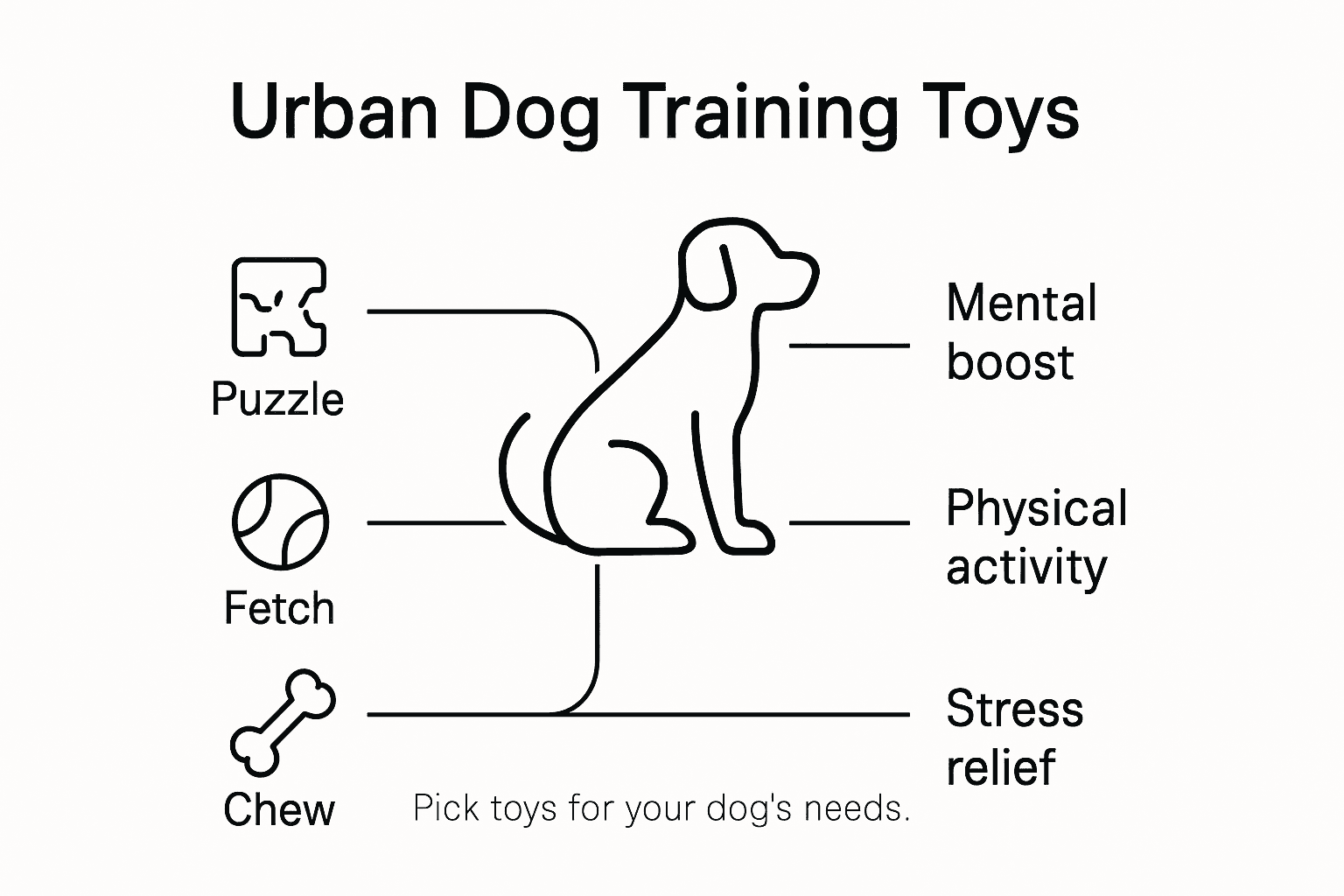
Comprehensive toy guides highlight the importance of matching toy types to individual dog personalities. High-energy breeds might require more complex puzzle toys with multiple challenge levels, whereas calmer dogs benefit from softer, more tactile toys. Material durability becomes especially important in urban settings where toys experience more frequent and intense use compared to suburban or rural environments.
Urban Dog Training Pro Tip: Rotate your dog’s toys weekly to maintain novelty and prevent boredom. Store unused toys out of sight and reintroduce them periodically to keep your urban dog’s training sessions fresh and engaging.
Here’s a quick comparison of popular dog training toy types and their main benefits:
| Toy Type | Primary Benefit | Ideal For |
|---|---|---|
| Puzzle Toy | Boosts problem-solving | High-intelligence breeds |
| Interactive Toy | Increases engagement | Dogs home alone frequently |
| Fetch Toy | Improves impulse control | High-energy urban breeds |
| Chew Toy | Promotes dental health | Strong chewers and stress |
How Toys Build Focus and Motivation
Canine motivation is a complex psychological process that transforms training from a mundane task into an exciting interaction. Contemporary behavioral research reveals that strategic toy use can dramatically enhance a dog’s cognitive engagement and sustained attention during learning activities.
The neurological mechanics behind toy-based motivation are fascinating. When dogs anticipate play, their brains release dopamine, a neurotransmitter associated with pleasure and reward. This biochemical response creates a positive feedback loop where training becomes an enjoyable experience rather than a chore. Different toys trigger various motivational responses - squeaky toys might excite high-energy dogs, while puzzle toys challenge more analytical canines, creating tailored engagement strategies.
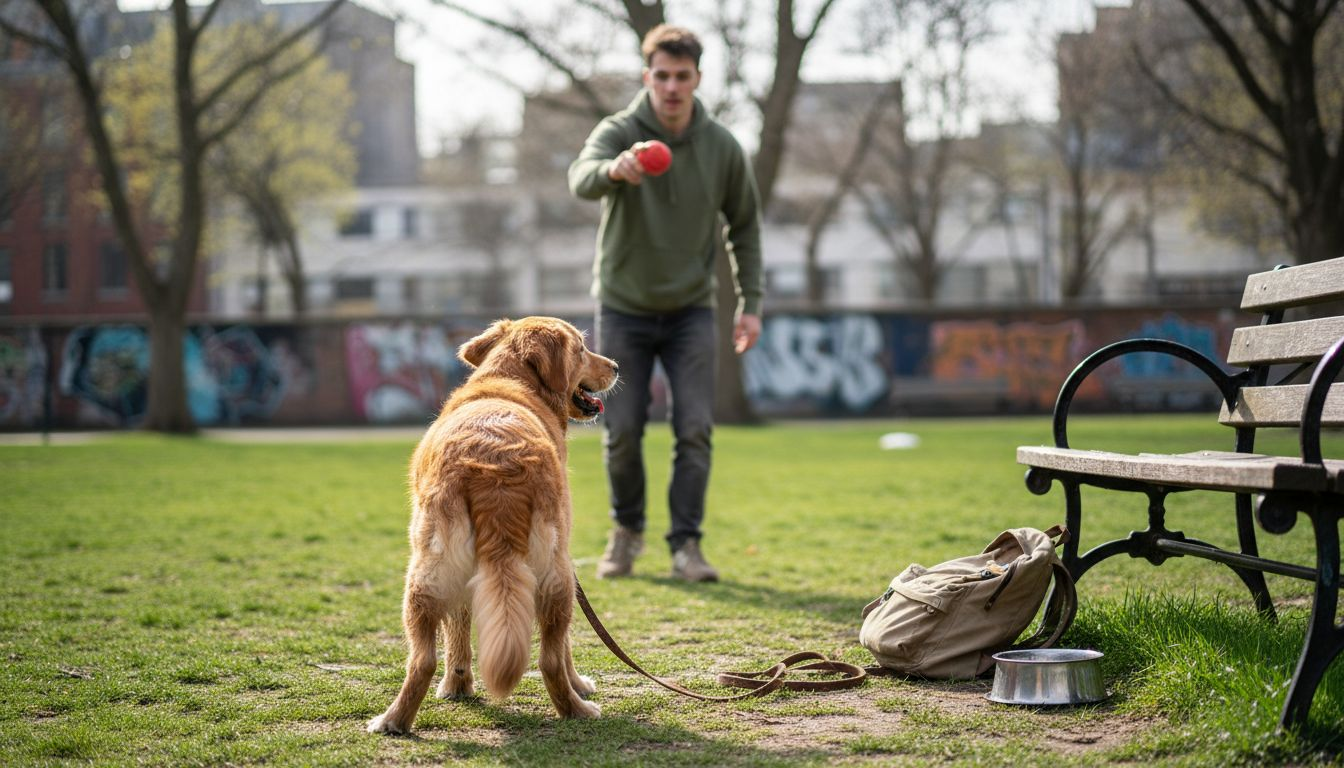
Successful focus-building involves understanding individual dog personalities and selecting toys that match their intrinsic play drives. Some dogs respond best to soft plush toys that provide comfort, while others require high-intensity interactive toys that simulate hunting or chasing behaviors. The key is creating a training environment where toys represent more than simple objects - they become conduits of communication, learning, and mutual understanding between dog and owner.
Dog Training Pro Tip: Match toy selection to your dog’s energy level and learning style. A methodical, calm dog might prefer slowly revealing puzzle toys, while an energetic dog will thrive with rapid-response fetch or tug toys that keep their attention razor-sharp.
Choosing Toys Suitable for Winter
Winter dog toys require specialized considerations that go beyond typical seasonal playthings. Veterinary winter safety guidelines emphasize the critical importance of selecting toys that can withstand cold temperatures while providing mental and physical stimulation for indoor and outdoor play.
Different materials perform distinctly in winter conditions. Rubber and silicone toys maintain flexibility in low temperatures, making them ideal for outdoor winter training. Plush toys should be thick and water-resistant to prevent moisture absorption, which can lead to rapid cooling. Interactive puzzle toys become especially valuable during winter months, offering mental stimulation when outdoor activities are limited. Canine training experts recommend selecting toys that can be used in both indoor and outdoor environments, ensuring consistent engagement regardless of temperature fluctuations.
Breed-specific considerations play a crucial role in winter toy selection. Small, short-haired breeds require warmer, more insulating toys, while larger, thick-coated dogs can handle more robust play objects. Indoor toys with hidden treat compartments can help maintain engagement, preventing winter boredom and supporting consistent training routines. Durability becomes paramount, as winter’s harsh conditions demand toys that can withstand cold surfaces and potential outdoor play.
Winter Training Pro Tip: Rotate your dog’s toys every few days during winter to maintain novelty and prevent boredom. Store toys in a warm, dry place between play sessions to prevent material degradation and maintain their structural integrity.
Consider these key factors when choosing toys for winter training:
| Factor | Why It Matters | Best Choice |
|---|---|---|
| Material | Withstands cold temperatures | Rubber, silicone |
| Insulation | Prevents rapid cooling | Thick, water-resistant |
| Durability | Endures harsh outdoor use | Heavy-duty designs |
| Indoor Suitability | Keeps training consistent | Treat-dispensing toys |
Toy Safety and Common Training Mistakes
Toy safety represents a critical aspect of responsible dog training that extends far beyond simple entertainment. Technical reviews of dog toy hazards reveal complex risks including potential choking hazards, material toxicity, and structural vulnerabilities that can compromise canine health and training effectiveness.
The most common training mistakes emerge from inconsistent toy use and improper reward strategies. Canine training experts emphasize that inappropriate toy selection can undermine learning objectives and create confusion during training sessions. Size mismatch represents a significant risk - toys too small can become choking hazards, while oversized toys can discourage engagement and lead to frustration. Dogs require toys precisely matched to their breed, size, and individual chewing intensity, with regular inspection for wear and potential breakdown.
Trainers must develop a nuanced approach to toy management that balances safety, motivation, and learning. This involves understanding individual dog temperaments, recognizing signs of toy-related stress, and maintaining a dynamic rotation of training tools. Certain materials like soft rubber, durable nylon, and non-toxic silicone provide safer alternatives to traditional toys. Supervision remains paramount, with owners required to monitor play sessions, assess toy condition, and immediately replace damaged items that could pose potential risks.
Safety Pro Tip: Conduct a monthly toy inventory, carefully examining each toy for signs of wear, checking for loose pieces, and immediately discarding items that show significant damage or potential hazard signs.
Enhance Your Dog Training with Toys That Boost Focus and Bonding
Training your dog with toys is a powerful way to increase motivation and build a deeper connection. This article highlights how the right selection of toys can transform training sessions into engaging play that sharpens focus and strengthens your bond. However, finding durable, safe, and seasonally appropriate toys especially for cold weather can be challenging for urban dog owners who want consistent and effective training tools.
FurFamilyClub understands these specific needs by offering premium pet products designed for comfort, safety, and enjoyment in all seasons. Whether you are looking for winter-ready interactive toys or cozy apparel that makes training outdoors more comfortable, our collection supports your journey toward a happier, more focused pet. Explore our wide range of dog toys and practical pet accessories perfect for winter and holiday training sessions.
Discover how the right gear can make every training moment count. Visit FurFamilyClub today and equip your furry friend with tools that turn learning into joyful play. Start enhancing your dog’s focus and bonding now with products tailored just for them.
Frequently Asked Questions
What types of toys are best for dog training?
Puzzle toys, interactive toys, fetch toys, and chew toys are popular for training. Each type serves a different purpose, such as boosting problem-solving skills, increasing engagement, or promoting impulse control.
How do toys help improve a dog’s focus during training?
Toys can enhance focus by releasing dopamine in a dog’s brain, creating a positive association with training. By choosing the right toy that matches a dog’s energy and play style, owners can keep their dogs engaged and motivated during learning activities.
Can toy selection impact a dog’s behavior and training outcomes?
Yes, selecting toys that align with a dog’s personality and energy level can significantly improve training effectiveness. The right toys foster a better learning environment, making training sessions more enjoyable and productive.
What safety precautions should I take when using toys for dog training?
Ensure that toys are the appropriate size for your dog to prevent choking hazards. Regularly inspect toys for wear and replace any damaged items. It’s also important to choose non-toxic materials to keep your dog safe during play.
Recommended
- Dog Blanket Guide | Cozy, Warm Pet Blankets for Dogs – Furfamilyclub
- Pet Cameras Guide | Furfamilyclub — High-Quality, Secure Options for Pets
- Best Dog Grooming Tools and Grooming Tips | Furfamilyclub
- Pet Tech & Smart Gadgets for Dogs & Cats Smart Pet Care |FurFamilyClub – Furfamilyclub
- Dog Training and Bonding: Build Unbreakable Connections in 2025 – iPupPee


