

Dog Behavior Explained: Enhancing Winter Bonding
Finding stylish, durable winter gear for your American city dog often means more than just braving the cold. The way your pet responds to changing seasons is influenced by a complex range of emotions and social signals. Over 60 percent of dog owners misunderstand key aspects of canine behavior, leading to missed opportunities for effective training and bonding. By getting to know how your dog truly communicates and adapts, you can strengthen your relationship and help them thrive during icy months.
Table of Contents
- Defining Dog Behavior And Misconceptions
- Types Of Canine Communication Signals
- How Cold Weather Changes Dog Behavior
- Gear, Routines, And Seasonal Comfort
- Solving Common Urban Dog Issues
Key Takeaways
| Point | Details |
|---|---|
| Understanding Dog Behavior | Current research highlights that dogs do not operate on dominance hierarchies, but rather through complex social communication. Owners should adopt gentle leadership techniques instead of punitive methods. |
| Canine Communication | Dogs communicate through a sophisticated system of body language, vocalizations, and olfactory signals, making it vital for owners to observe these to understand their pets better. |
| Winter Adaptations | Cold weather alters dog behavior, requiring owners to adjust outdoor routines and provide protective clothing to ensure their pets’ comfort and health. |
| Urban Challenges | Living in urban settings presents unique challenges for dogs, emphasizing the need for structured routines and mental stimulation to manage stress and anxiety. |
Defining Dog Behavior and Misconceptions
Dog behavior is far more nuanced and complex than popular media often portrays. Many urban dog owners struggle with understanding their pet’s psychological landscape, often falling prey to outdated myths about canine social structures. Recent scientific research challenges traditional notions of dog dominance, revealing a more sophisticated understanding of how dogs interact with humans and each other.
Traditionally, dog owners believed in rigid hierarchical models where humans must constantly assert dominance through forceful control. However, contemporary research demonstrates that dogs do not operate through simplistic “alpha” dynamics. Instead, their social interactions are built on sophisticated communication patterns and mutual understanding. Dogs perceive humans as high-status social partners rather than subjects to be dominated through aggressive techniques.
Key misconceptions about dog behavior include:
- Dogs are not attempting to “take over” the household
- Gentle leadership works better than punitive control methods
- Social hierarchies among dogs are fluid and context-dependent
- Canine intelligence involves complex emotional and social reasoning
Pro tip: Observe your dog’s body language and emotional signals carefully, recognizing that communication is a two-way street involving mutual respect and understanding.
Types of Canine Communication Signals
Dogs possess a remarkably sophisticated communication system that goes far beyond simple barks and tail wags. Canine communication involves a complex network of visual, vocal, and olfactory signals that allow them to express intricate emotional states and intentions. Urban dog owners often miss subtle cues that reveal their pet’s inner experiences, making understanding these communication channels critical for building strong relationships.
Visual signals form the most immediate and nuanced aspect of canine communication. Body language plays a crucial role, with dogs using precise combinations of ear positioning, tail movement, facial expressions, and overall posture to convey complex emotional messages. The body language of dogs encompasses a wide range of signals that communicate everything from contentment to potential aggression, providing sophisticated insights into their psychological state.
Key communication signals include:
- Ear positioning (forward, sideways, or flattened)
- Tail height and movement speed
- Mouth and facial muscle tension
- Postural shifts indicating comfort or stress
- Eye contact and gaze direction
Pro tip: Learn to read your dog’s subtle body language by spending quiet time observing their movements during relaxed moments, noting how different emotional states manifest physically.
How Cold Weather Changes Dog Behavior
Cold weather significantly transforms canine behavior, creating unique challenges for urban dog owners who must understand and adapt to their pets’ seasonal needs. Research reveals that environmental temperature profoundly influences dogs’ behavioral patterns and activity levels, requiring pet owners to be more attentive and responsive during winter months.
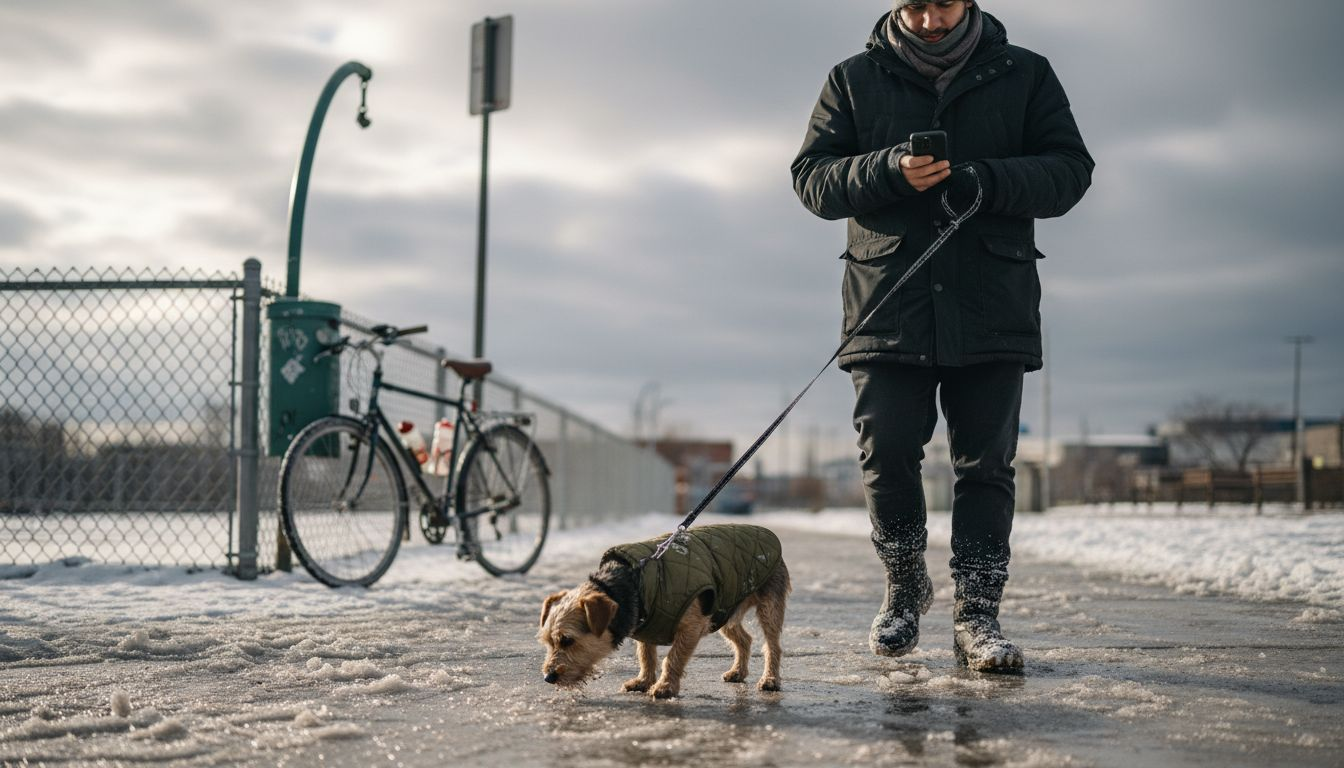
Physiological responses to cold temperatures vary dramatically among different dog breeds. Small, short-haired, and senior dogs experience more pronounced sensitivity to temperature changes, often displaying distinct behavioral modifications. Winter conditions impact dogs’ comfort and movement, causing behaviors like paw lifting, seeking warmth, and reducing outdoor activity. These adaptations are survival mechanisms that help dogs conserve energy and protect themselves from harsh environmental conditions.
Key behavioral changes during cold weather include:
- Decreased outdoor activity and exercise tolerance
- Increased desire to stay close to heat sources
- More frequent requests to return indoors
- Potential mood changes and reduced enthusiasm
- Heightened need for additional physical comfort
Pro tip: Gradually acclimate your dog to winter conditions by introducing short, supervised outdoor sessions and providing appropriate protective clothing to minimize temperature shock.
Here’s a summary comparing how different weather conditions impact urban dog routines and needs:
| Weather Condition | Dog Behavioral Response | Owner Action Required |
|---|---|---|
| Cold/Winter | Seeks warmth, less active | Provide insulated gear, monitor time outside |
| Hot/Summer | Sluggish, pants heavily | Ensure hydration, avoid peak sun hours |
| Rainy | Hesitant outdoors, avoids wet | Use raincoats, dry after walks |
| Moderate | Balanced energy, playful | Maintain regular exercise, enrichment |
Gear, Routines, and Seasonal Comfort
Winter demands a strategic approach to canine care, requiring urban dog owners to reimagine their pet’s comfort and protection against harsh environmental conditions. Winter safety protocols emphasize the critical importance of maintaining warmth and protecting dogs from cold-related health risks, making thoughtful gear selection and routine modifications essential for responsible pet ownership.
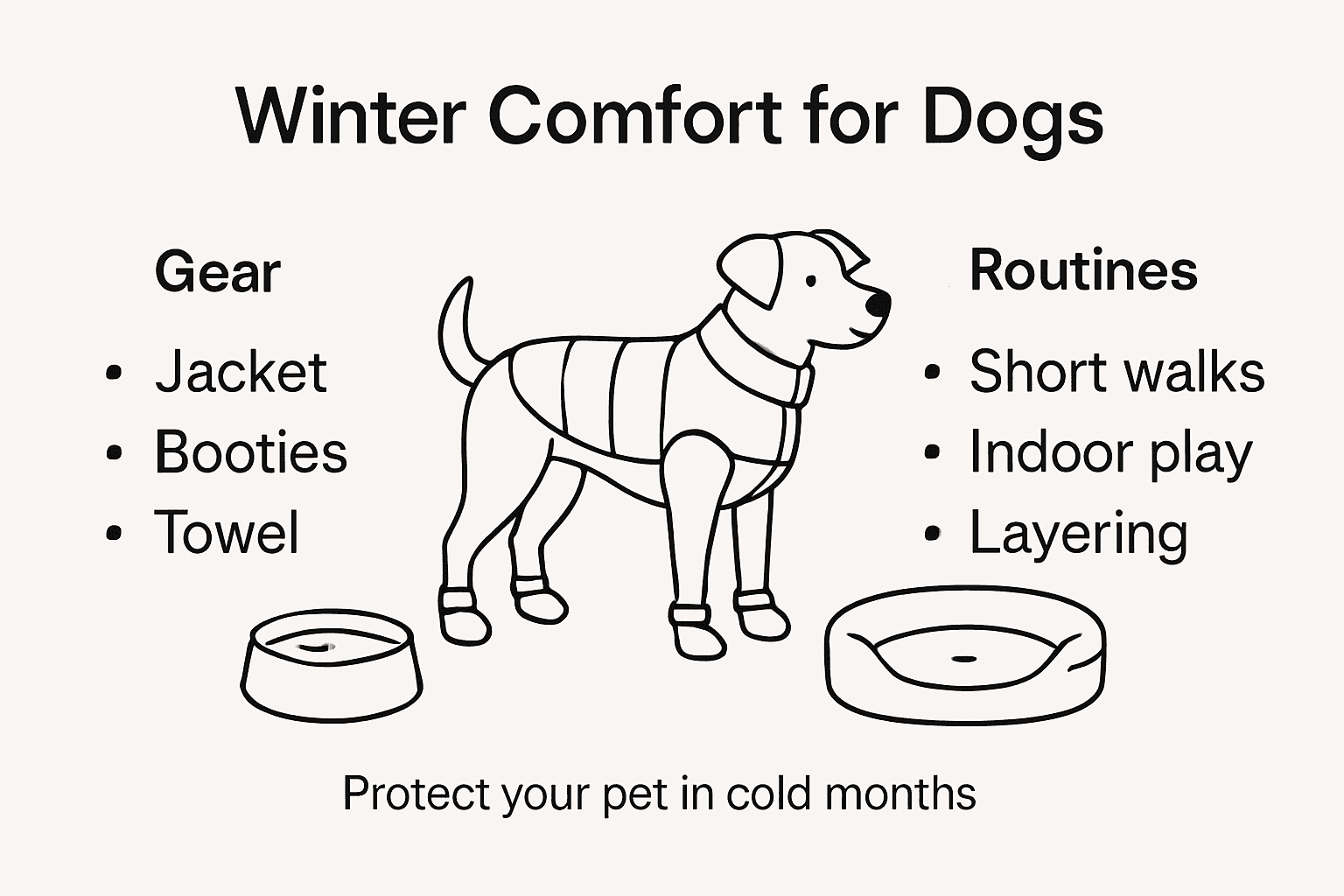
Protective gear plays a pivotal role in supporting dogs during cold weather. Specialized winter accessories like insulated coats, protective paw balms, and weather-resistant footwear help dogs maintain body temperature and prevent exposure-related discomfort. Urban dog owners should invest in high-quality, breed-appropriate winter apparel that allows for natural movement while providing maximum thermal protection.
Key winter gear and routine considerations include:
- Insulated, water-resistant dog jackets
- Protective paw booties to prevent ice and salt damage
- Quick-dry towels for post-walk moisture management
- Shorter, more frequent outdoor sessions
- Indoor enrichment activities to maintain exercise levels
Pro tip: Layer your dog’s winter clothing like human winter wear, using moisture-wicking base layers and insulating outer shells to maximize comfort and temperature regulation.
Solving Common Urban Dog Issues
Urban environments present unique challenges for dog owners, transforming typical pet care into a complex navigation of space, behavior, and social dynamics. Research into urban mammalian behavior reveals significant adaptations that impact dogs living in densely populated areas, requiring pet owners to develop sophisticated strategies for managing their companions’ physical and psychological needs.
Behavioral modifications become crucial in urban settings, where limited space, constant stimulation, and restricted movement can create stress and anxiety for dogs. City agencies increasingly recognize the importance of comprehensive support systems that address animal welfare challenges through education, resource accessibility, and community collaboration. These efforts aim to mitigate common urban dog issues such as excessive barking, limited exercise opportunities, and socialization challenges.
Common urban dog challenges include:
- Reduced outdoor exercise space
- Increased noise and sensory overstimulation
- Limited socialization opportunities
- Potential behavioral stress from confined living
- Difficulty maintaining consistent training routines
Pro tip: Create a structured daily routine that includes mental stimulation, targeted training sessions, and designated quiet time to help your urban dog adapt and thrive in a compact living environment.
This table outlines solutions to common urban dog challenges for city dwellers:
| Urban Challenge | Impact on Dog | Effective Solution |
|---|---|---|
| Limited outdoor space | Boredom, restlessness | Indoor games, enrichment toys |
| Overstimulation (noise) | Stress, anxiety | Quiet zones, white noise machines |
| Lack of socialization | Timidity, reactivity | Supervised dog playdates, group classes |
| Inconsistent routines | Confusion, delayed training | Consistent schedules, clear commands |
Keep Your Dog Warm and Happy This Winter with FurFamilyClub
Understanding how cold weather changes dog behavior is key to keeping your furry friend comfortable and safe through the chilly months. The article highlights how dogs seek warmth and show reduced activity in winter, signaling the critical need for protective gear such as insulated jackets and paw booties. If you want to prevent your dog from feeling cold or restless during outdoor walks, investing in the right winter apparel and accessories is essential to strengthening your bond and ensuring their well-being.

Discover the full range of cozy and functional winter gear at FurFamilyClub specially designed to meet your dog’s cold weather needs. From insulated dog jackets and warm sweaters to paw protection and easy-care accessories, this collection helps you adapt your routine for seasonal comfort without compromising style. Shop now and give your dog the warmth and care they deserve to enjoy winter to the fullest. Visit FurFamilyClub Winter Collection today and make this winter your best bonding season yet.
Frequently Asked Questions
How does cold weather affect my dog’s behavior?
Cold weather can lead to decreased outdoor activity, increased desire for warmth, and changes in mood. Dogs may lift their paws, seek indoor shelter, and require more comfort during colder temperatures.
What protective gear should I consider for my dog in winter?
Essential winter gear includes insulated, water-resistant jackets, paw booties to prevent ice and salt damage, and quick-dry towels for managing moisture after walks.
How can I help my dog adapt to cold weather conditions?
Gradually acclimate your dog to the winter by introducing short outdoor sessions, using appropriate protective clothing, and monitoring their comfort levels closely.
What sort of indoor activities can keep my dog engaged during winter?
Engage your dog with indoor activities such as puzzle toys, interactive games, short training sessions, and providing enrichment to stimulate their mind while staying warm.
Recommended
- Winter Warmth for Pets | Best Winter Products for Dogs & Cats – Furfamilyclub
- Fashion Dog Clothing Shell Jacket - Warm Red Hooded Dog Coat | Furfamilyclub
- Buy the Best Jackets For Dogs at FurFamilyClub | Warm, Cozy and stylis – Furfamilyclub
- FurFamilyClub – Jacket For Dogs Pet Cameras, Blankets & Accessories – Furfamilyclub


