

Benefits of Dog Grooming for Winter Wellness
Finding practical grooming routines in wintry cities can feel like a puzzle when icy sidewalks and holiday gatherings demand dogs look and feel their best. For urban pet lovers, winter coat care is about more than surface shine. Regular grooming is a fundamental part of animal health that prevents skin problems and discomfort, especially when cold weather hits. This guide highlights common misconceptions around grooming and the expert tools every style-conscious owner should know for safer, healthier winter routines.
Table of Contents
- Defining Dog Grooming And Common Myths
- Types Of Dog Grooming And Tools Needed
- Health And Comfort Benefits In Colder Climates
- Grooming’s Role In Pet Appearance And Style
- Common Grooming Mistakes And Safety Risks
Key Takeaways
| Point | Details |
|---|---|
| Dog Grooming is Essential | Regular grooming is critical for a dog’s health, impacting hygiene and well-being beyond aesthetics. |
| Addressing Common Myths | Many owners believe certain breeds require less grooming or that human shampoos are safe, which can harm their pets. |
| Seasonal Grooming Importance | Winter grooming helps maintain skin health and prevents issues associated with cold, such as matting and irritation. |
| Safety in Grooming | Utilizing proper tools and techniques is crucial to prevent injury and discomfort during grooming sessions. |
Defining Dog Grooming and Common Myths
Dog grooming is far more than just a cosmetic practice—it’s a critical component of canine health maintenance. Comprehensive pet care research indicates that grooming plays a fundamental role in companion animal welfare, extending well beyond simple aesthetic considerations. At its core, grooming involves systematic hygiene practices like brushing, bathing, nail trimming, and coat maintenance that directly impact a dog’s physical and emotional well-being.
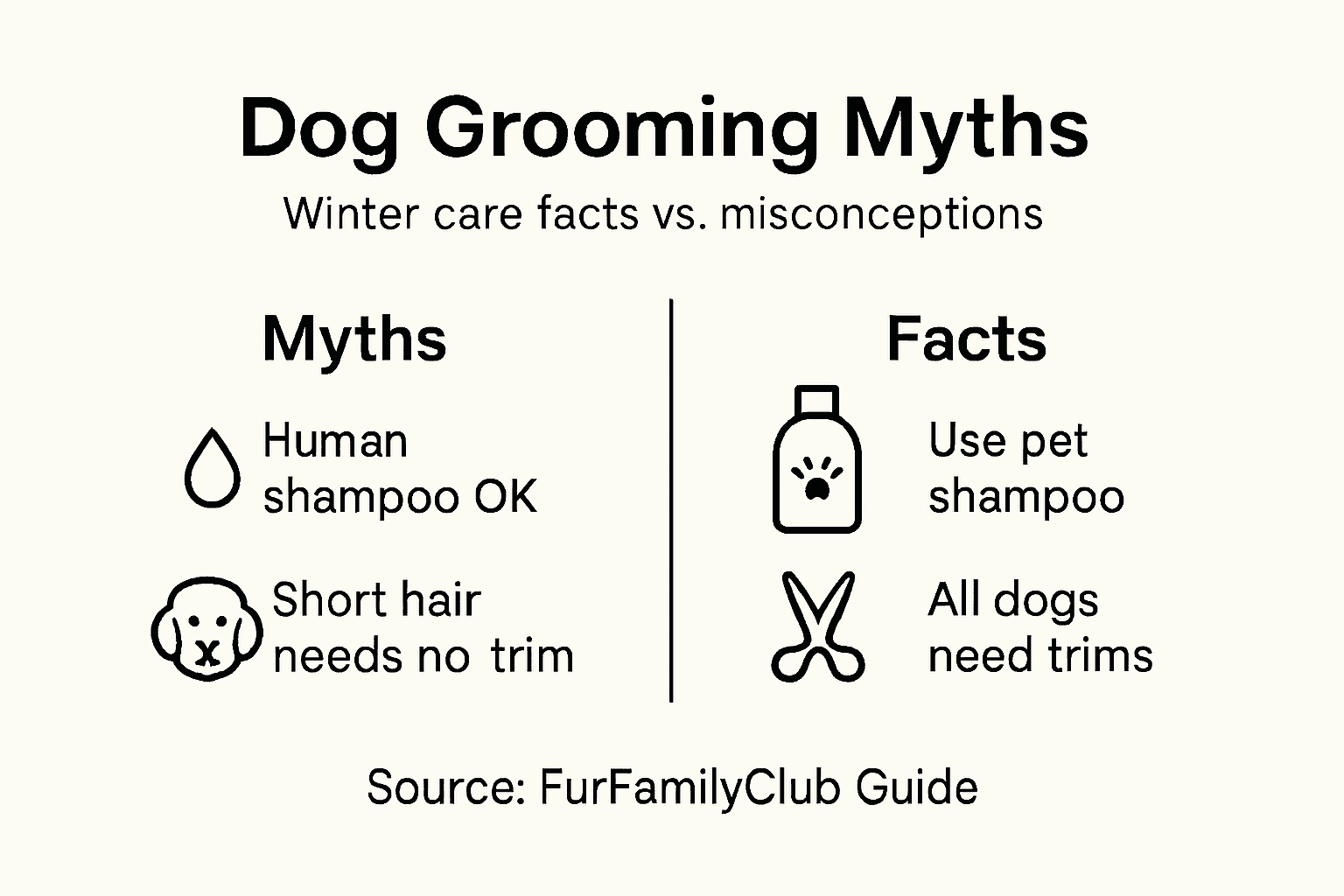
Contrary to popular misconceptions, dog grooming is not a luxury but a necessity for all breeds. Grooming myths persist that can significantly compromise pet health. Some dog owners mistakenly believe certain breeds require less grooming or that washing too frequently damages their coat. In reality, every dog—regardless of hair length, breed, or lifestyle—needs regular grooming to maintain optimal health. These practices help prevent skin infections, detect potential health issues early, distribute natural skin oils, and remove dirt, debris, and loose fur.
Common myths about dog grooming can lead pet owners astray. Many believe human shampoos are acceptable for dogs or that short-haired breeds don’t need brushing. These misconceptions can harm a dog’s skin and coat health. Professional groomers emphasize that different coat types require specific care techniques, and what works for one dog might not work for another. Regular grooming is not just about appearance but about comprehensive health monitoring, allowing owners to check for unusual lumps, skin changes, parasites, or potential medical concerns during routine maintenance.
To better understand the most widespread misconceptions, see how the myths compare to the facts below:
| Common Grooming Myth | The Reality | Why It Matters |
|---|---|---|
| Human shampoo works for dogs | Only dog shampoos are safe | Prevents skin irritation and damage |
| Short-haired dogs need no brushing | All breeds require regular brushing | Removes debris, prevents matting |
| Dogs only need grooming for appearances | Grooming is essential for health | Catches health issues early |
| Frequent baths ruin coats | Proper bathing maintains coat health | Supports healthy skin and fur |
Pro Tip: Schedule a professional grooming session at least once every 6-8 weeks, even for short-haired dogs, to ensure comprehensive health checks and proper coat maintenance.
Types of Dog Grooming and Tools Needed
Dog grooming encompasses a range of techniques and specialized tools designed to maintain your pet’s health and appearance. Professional grooming toolkit essentials include several key categories of equipment that serve specific purposes. These tools are not just about aesthetics but play a critical role in preventing skin issues, detecting potential health problems, and ensuring your dog’s overall comfort and well-being.
The primary grooming tools can be categorized into several essential groups. Brushes are fundamental, with different types serving unique functions: slicker brushes remove mats and tangles, pin brushes work well for long-haired breeds, and bristle brushes help distribute natural skin oils. Comprehensive grooming equipment also includes specialized combs for detangling and removing parasites, professional-grade clippers with interchangeable blades for precise trimming, and various scissors designed for different coat types and grooming needs.
Winter presents unique challenges for dog grooming, requiring additional attention to coat maintenance and protection. Specific winter grooming tools like de-shedding brushes help remove thick undercoats that can trap moisture, while moisturizing shampoos prevent dry skin caused by indoor heating and cold outdoor conditions. Professional groomers recommend having a complete toolkit that includes nail clippers, ear cleaning solutions, specialized winter brushes, and gentle detangling sprays to address the season’s specific grooming challenges.
Pro Tip: Invest in breed-specific grooming tools and learn the proper techniques for your dog’s unique coat type to ensure effective and comfortable winter grooming sessions.
Here’s a reference table outlining essential grooming tools and their functions:
| Tool Type | Main Use | Best For |
|---|---|---|
| Slicker Brush | Removes mats and tangles | Dogs with thick or curly coats |
| Pin Brush | Detangles and smooths fur | Long-haired breeds |
| Clipper | Trims coat length | Various breeds, esp. heavy shedders |
| Nail Clipper | Maintains nail health | All dogs, prevents overgrowth |
| Ear Cleaner | Reduces infection risk | Breeds with floppy ears |
Health and Comfort Benefits in Colder Climates
Winter presents unique challenges for dog health and comfort, making regular grooming an essential component of pet care. Winter dog grooming practices are critical for maintaining your dog’s physical well-being during cold months. The coat serves as a natural temperature regulator, and proper grooming ensures that this protective layer functions effectively, trapping warmth and protecting against harsh winter conditions.
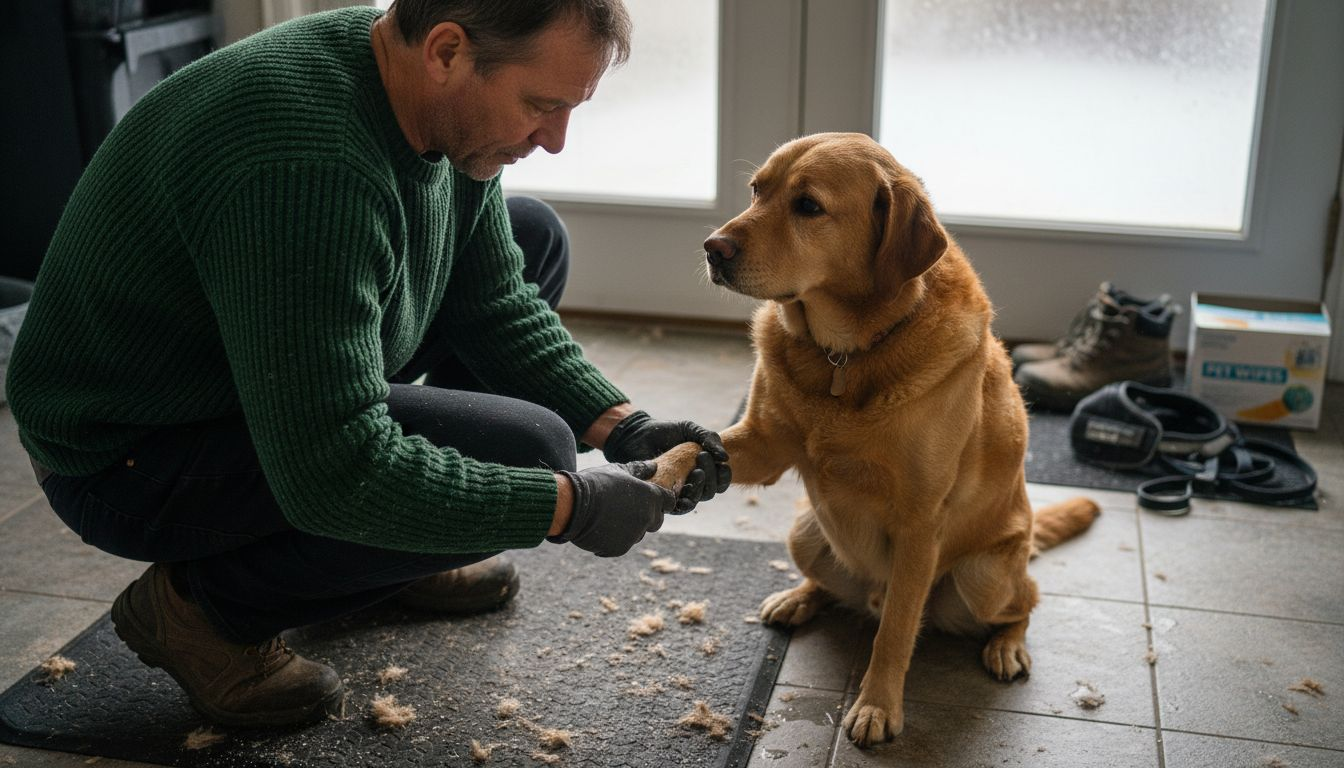
Grooming goes beyond simple aesthetic maintenance, offering significant health benefits specific to colder climates. Comprehensive grooming techniques help prevent several winter-related health issues. Trimming hair between paw pads prevents ice and salt accumulation, which can cause painful irritation and potential infections. Regular brushing distributes natural skin oils, creating an additional protective barrier against cold and dry winter air. This process also allows pet owners to conduct thorough health checks, identifying potential skin problems, unusual lumps, or early signs of winter-related health concerns.
Paw care becomes especially crucial during winter months. Protective strategies include carefully trimming fur around paw pads, using dog-safe moisturizers to prevent cracking, and considering protective boots for extreme conditions. Dogs with longer coats require extra attention to prevent matting, which can trap moisture and lead to skin irritations. Professional groomers recommend more frequent brushing during winter to remove dead undercoat hair, improve circulation, and maintain the coat’s natural insulating properties. These grooming practices not only enhance physical comfort but also provide critical protection against cold-weather health risks.
Pro Tip: Invest in a high-quality moisturizing pet shampoo and gentle brush designed for your dog’s specific coat type to maintain optimal winter skin and coat health.
Grooming’s Role in Pet Appearance and Style
Grooming transcends mere aesthetic enhancement, representing a sophisticated art form that celebrates a dog’s natural beauty and breed characteristics. Pet grooming techniques play a pivotal role in maintaining a sleek, polished appearance while simultaneously promoting overall health and well-being. Professional grooming allows pet owners to showcase their dog’s unique personality through carefully tailored styles that highlight individual coat textures, colors, and breed-specific attributes.
Different coat types demand specialized styling approaches that balance functional needs with visual appeal. Grooming styling techniques enable pet owners to address specific breed standards while creating a distinctive look. Winter brings additional styling considerations, with groomers focusing on maintaining coat length and volume to provide natural insulation. Precise trimming around paws, ears, and face not only enhances aesthetic appeal but also improves the dog’s comfort and mobility during colder months.
Professional groomers understand that each dog’s appearance tells a unique story. Breed-specific cuts, strategic fur management, and careful attention to detail transform grooming from a routine maintenance task into an artistic expression. Styling choices can highlight a dog’s muscular structure, accentuate facial features, and create a refined, well-maintained appearance that reflects the owner’s commitment to their pet’s health and presentation. Winter grooming becomes an opportunity to blend practical protection with sophisticated styling, ensuring dogs look their best while staying comfortable in challenging weather conditions.
Pro Tip: Consult a professional groomer to develop a personalized winter styling strategy that matches your dog’s breed, coat type, and lifestyle requirements.
Common Grooming Mistakes and Safety Risks
Winter dog grooming presents unique challenges that can potentially compromise your pet’s health and comfort if not approached carefully. Common dog grooming mistakes range from using incorrect tools to neglecting critical maintenance tasks that protect your dog’s well-being. Many pet owners inadvertently cause skin irritation, coat damage, or unnecessary stress by applying inappropriate grooming techniques that seem helpful but can actually harm their dog’s physical condition.
Grooming safety precautions are essential to preventing injury and minimizing pet anxiety during winter maintenance. Specific risks include potential cuts from improperly maintained tools, mat burns from aggressive brushing, and psychological stress from unfamiliar handling. Pet owners must be particularly cautious about water exposure, ensuring ears remain dry during bathing and using non-slip surfaces to prevent accidents. Gradual introduction of grooming tools and creating a calm environment can significantly reduce the likelihood of negative grooming experiences.
Professional groomers emphasize the importance of understanding breed-specific grooming requirements and recognizing individual pet sensitivities. Common mistakes such as over-bathing, using human shampoos, skipping regular brushing, and neglecting nail trimming can lead to serious health complications. Winter compounds these risks, with dry indoor heating and cold outdoor conditions creating additional challenges for coat and skin health. Proper tool selection, gentle handling, and consistent maintenance are crucial for maintaining your dog’s comfort and preventing potential medical issues.
Pro Tip: Invest in breed-specific grooming tools and schedule a professional consultation to develop a personalized winter grooming strategy that addresses your dog’s unique needs.
Enhance Your Dog’s Winter Wellness with Expert Care and Quality Products
Winter grooming is essential for your dog’s health and comfort during cold months. This article highlights crucial challenges such as maintaining coat health, preventing skin irritation, and protecting paws from ice and salt buildup. These pain points remind us how important regular grooming, proper tools, and targeted wellness support are to keep your dog cozy and healthy all season long.
At FurFamilyClub, we understand your desire to combine health benefits with comfort and style. Explore our collection of Pet Wellness Supplements for Dogs & Cats designed to support your pet’s immune system and skin health throughout the winter. 
Protect your dog from the harsh winter weather by choosing from our premium winter apparel and grooming essentials at FurFamilyClub. Act now to ensure your furry friend stays comfortable, safe, and vibrant this season with quality products and expert care tips. Visit our homepage today and start your pet’s winter wellness journey.
Frequently Asked Questions
What are the benefits of grooming my dog in the winter?
Grooming during winter helps maintain your dog’s coat, removes dead hair, and prevents matting, which can trap moisture and lead to skin issues. It also allows for regular health checks to catch any winter-related health concerns early.
How does regular grooming protect my dog’s skin during cold weather?
Regular grooming distributes natural skin oils and trims hair between paw pads, which prevents ice and salt buildup that can cause irritation. It also helps maintain a protective barrier against cold, dry air.
Should I adjust my grooming routine for different coat types in the winter?
Yes, different coat types require specific grooming techniques. Long-haired breeds may need more frequent brushing to prevent matting, while short-haired breeds still benefit from regular maintenance to remove dirt and debris.
What grooming tools are essential for winter dog care?
Essential winter grooming tools include slicker brushes for de-tangling, nail clippers to maintain nail health, moisturizing shampoos, and gentle detangling sprays to keep your dog’s coat and skin healthy in cold weather.


